
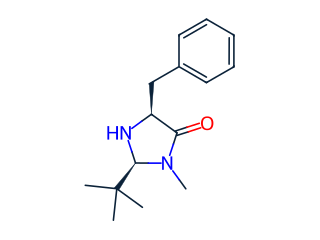
(2S,5S)-(−)-2-tert-Butyl-3-methyl-5-benzyl-4-imidazolidinone, 97%
- CAS
- 346440-54-8
- Formula
- C15H22N2O
- MW
- 246.35 g/mol
VQ-018520
Lithium, nickel, cobalt and manganese salts, electrolyte solvents, binders, conductive carbons and lead-acid chemicals for cell and energy R&D.
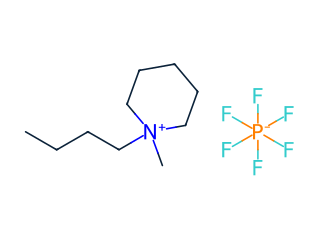
Battery chemistry is built on a short list of critical materials processed to exacting purity. Lithium-ion cathodes combine lithium with nickel, manganese, cobalt or iron phosphate. Anodes use graphite and increasingly silicon. Electrolytes dissolve lithium hexafluorophosphate in carbonate solvents. And electrodes are bound with PVDF processed in NMP. Lead-acid batteries, still widely used for backup and automotive starting, rely on lead oxide and battery-grade sulfuric acid.
Our inorganic and solvents divisions supply lithium carbonate and hydroxide, nickel, cobalt and manganese sulfates, lithium iron phosphate, graphite and conductive carbons, carbonate solvents, NMP, PVDF, vanadium pentoxide and potassium hydroxide for alkaline and flow-battery research. We serve cell developers, pilot lines, battery recycling start-ups, university energy-storage groups, electrolyte blenders and lead-acid battery manufacturers. For many of these buyers, reproducible impurity profiles, especially iron, copper, sodium and moisture, matter as much as headline purity.
Battery-grade specifications vary by chemistry and by customer, so we quote against your stated limits rather than a generic label. Every lot ships with a COA listing assay and trace impurities, plus a GHS SDS. Some materials are hazardous, such as cobalt and nickel salts classified as carcinogens or LiPF6, which is moisture-sensitive and corrosive, and ship in sealed packaging under IMDG or IATA rules. Critical minerals are also subject to growing export-control and traceability requirements, so origin and end-use information may be requested before shipment.
Lithium carbonate and lithium hydroxide are available in technical and battery grades. Send your impurity limits and we will confirm a matching source and COA.
Yes. Many cathode precursors, electrolyte solvents and binders are available in sample and kilogram quantities for research and pilot lines.
LiPF6 is moisture-sensitive and corrosive, so it is packed under inert conditions in sealed containers and shipped as dangerous goods.
Some critical minerals face export-control, traceability or origin requirements. We provide a certificate of origin and may request end-use information before shipment.
Send us your list — product names or CAS numbers, grade, quantity and destination. Our team replies with a formal quotation, COA and lead time.