
Industry
Chemicals for Textiles & Dyes
Dye intermediates, pretreatment and dyeing auxiliaries, reducing agents, acids and alkalis for textile processors and dye makers.
Textile wet processing is chemically intensive. Fabric is scoured and bleached with alkali and hydrogen peroxide, dyed with reactive, disperse, vat or acid dyes, and then fixed, washed and finished with softeners and resins. Each stage needs consistent chemicals, because small variations in alkali strength or reducing agent quality show up as shade differences across a production lot.
India is a major dye and dye-intermediate producer, with clusters around Ankleshwar, Vapi, Vatva near Ahmedabad and Surat's processing houses. That ecosystem gives us access to intermediates such as H-acid, vinyl sulfone and beta-naphthol, together with the commodity chemicals textile mills consume in volume: caustic soda, soda ash, sodium sulfate, acetic and formic acid, sodium hydrosulfite and hydrogen peroxide. Buyers include dye manufacturers, integrated textile mills, independent dyeing and printing houses and chemical distributors serving garment clusters.
Export demand is strongest from textile-producing countries such as Bangladesh, Vietnam, Turkey, Egypt, Indonesia and Sri Lanka, many of which have short or moderate sea transits from Mundra and Nhava Sheva. Sodium hydrosulfite is self-heating and must travel under dangerous-goods rules with dry, cool stowage, while peroxide and acids need compatible packaging. Brands increasingly ask processors to meet restricted-substance lists, so we supply a COA and a GHS SDS with each batch and can share additional composition information from the manufacturer on request.
Products for Textiles & Dyes
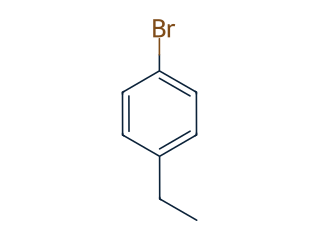
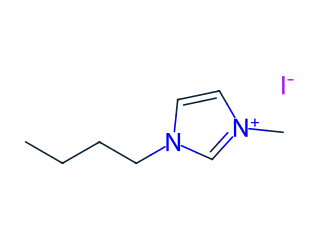
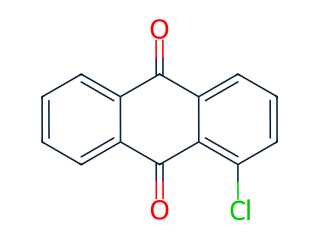
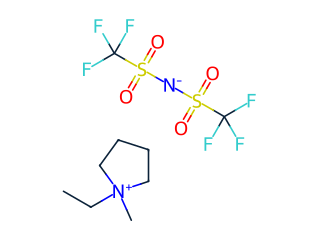
1-Ethyl-1-methylpyrrolidinium bis(trifluoromethylsulfonyl)imide, 99%
- CAS
- 223436-99-5
- Formula
- C9H16F6N2O4S2
- MW
- 394.4 g/mol
VQ-001485
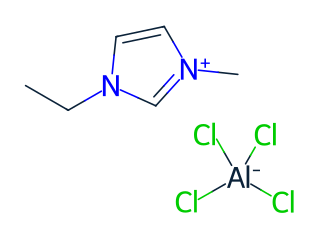
1-Ethyl-3-methylimidazolium tetrachloroaluminate
- CAS
- 80432-05-9
- Formula
- C6H11AlCl4N2
- MW
- 280 g/mol
VQ-001523
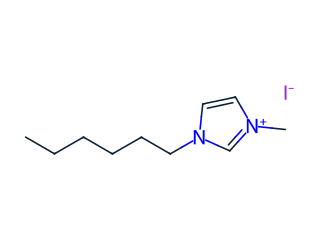
1-Hexyl-3-methylimidazolium iodide, ≥98% (HPLC)
- CAS
- 178631-05-5
- Formula
- C10H19IN2
- MW
- 294.18 g/mol
VQ-001545
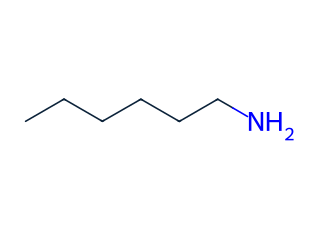
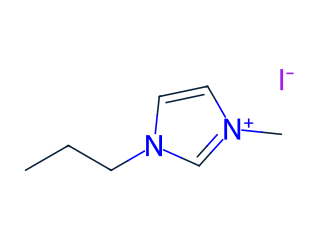
1-Methyl-3-propylimidazolium iodide, ≥98.0% (HPLC)
- CAS
- 119171-18-5
- Formula
- C7H13IN2
- MW
- 252.1 g/mol
VQ-001553
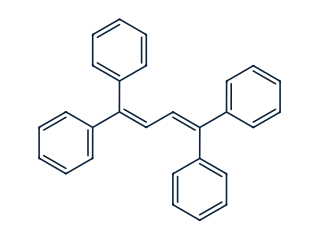
1,1,4,4-Tetraphenyl-1,3-butadiene, suitable for scintillation, ≥99%
- CAS
- 1450-63-1
- Formula
- C28H22
- MW
- 358.5 g/mol
VQ-000002
FAQs
Do you supply dye intermediates such as H-acid and vinyl sulfone?
Yes, these are sourced from producers in Gujarat's dye clusters. Specifications and purity are confirmed on the quotation and batch COA.
How is sodium hydrosulfite shipped?
It is a self-heating solid (UN 1384) and ships under IMDG rules in moisture-proof packaging, stowed away from heat and incompatible cargo.
Can you help with restricted-substance list (RSL) compliance?
We supply a COA and GHS SDS with every batch and can request additional composition statements from the manufacturer. Final RSL compliance depends on your process and brand requirements.
What order sizes are typical for textile chemicals?
Commodity auxiliaries usually move in full container loads, while intermediates and specialty items can be shipped in smaller drum or bag quantities.
Need a price, a spec or a custom compound?
Send us your list — product names or CAS numbers, grade, quantity and destination. Our team replies with a formal quotation, COA and lead time.