
 Trinidad and Tobago · Impurities & Reference Standards
Impurities & Reference Standards Supplier in Trinidad and Tobago
Pharmacopoeial and non-pharmacopoeial impurities, metabolites, nitrosamines and working standards with characterisation data for QC and regulatory work. Pharma QC labs in Trinidad and Tobago use our impurity and reference standards for method validation, ANDA and DMF work.
27,990products in this division
30–45 dsea transit from India
4–7 dair freight
COA + SDSwith every lot
Impurities & Reference Standards for Trinidad and Tobago
This division supplies the reference materials that analytical teams need to identify and quantify impurities in APIs and finished products. It covers pharmacopoeial and process impurities, degradation products, metabolites, stable-isotope labelled compounds, nitrosamine drug-substance-related impurities (NDSRIs), genotoxic impurity standards and secondary working standards.
Standards are typically supplied in milligram quantities with a characterisation package that can include HPLC purity, 1H-NMR, mass spectrometry, IR and, where relevant, TGA or water content. Custom synthesis can be arranged for impurities that are not commercially listed, subject to feasibility. A COA and SDS accompany every shipment, and many items travel as non-hazardous small packs by courier.
Pharmaceutical QC and analytical development laboratories, regulatory affairs teams preparing ANDA, DMF or MAA submissions, CROs running method validation and forced degradation studies, and nitrosamine risk-assessment projects are the main users. Clear structural data and batch traceability matter more than volume here, so each standard is identified by chemical name, CAS number where assigned and molecular formula. Storage conditions and retest dates are stated on the label and COA so that labs can manage standards within their own qualification systems.
Grades available
Impurity reference standard with characterisation dataSecondary / working standardStable-isotope labelled standardNitrosamine (NDSRI) standardMetabolite standardCustom synthesised impurity
Compliance in Trinidad and Tobago
Regulator: Ministry of Health – Chemistry, Food and Drugs Division
Toxic chemicals and pesticides must be registered or licensed through the Pesticides and Toxic Chemicals Control Board, and drugs and APIs are overseen by the Chemistry, Food and Drugs Division. Customs declarations are filed electronically via ASYCUDA, and dangerous goods require IMDG or IATA packing and declaration.
Shipping lanes
- Port of Spain
- Point Lisas
- Point Fortin
- Port of Spain Piarco (POS)
Typical buyers: Pharma QC and analytical development labs, Regulatory affairs teams, Contract research organisations, Generic drug developers, Nitrosamine risk-assessment projects, Academic pharmaceutical analysis groups.
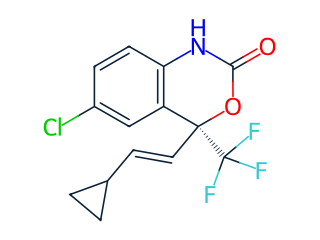
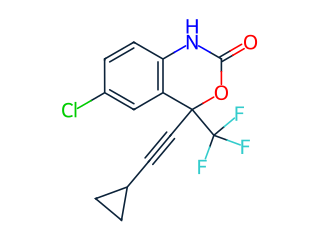
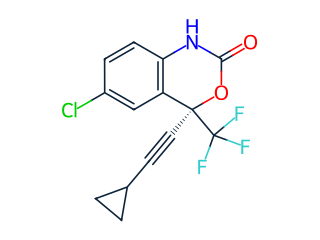
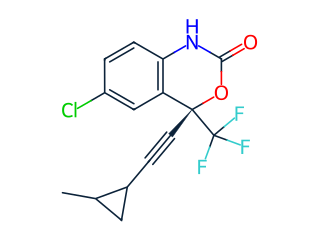
Selected Impurities & Reference Standards shipped to Trinidad and Tobago
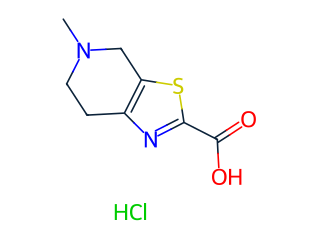
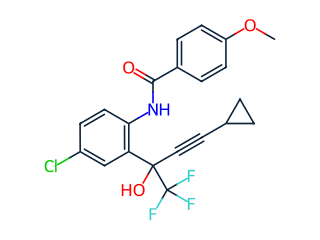
5-Methyl-4,5,6,7- tetrahydrothiazolo [5,4-c]pyridine-2-carboxylic acid hydrochloride
- CAS
- 720720-96-7
- Formula
- C8H11ClN2O2S
- MW
- 234.7 g/mol
VQ-022486
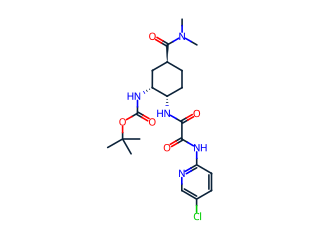
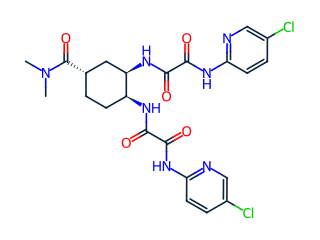
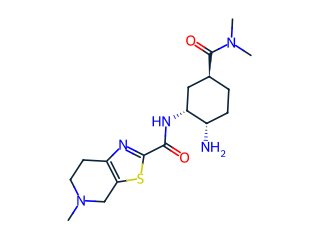
FAQs — Impurities & Reference Standards in Trinidad and Tobago
Do you supply Impurities & Reference Standards to Trinidad and Tobago?
Yes. We export Impurities & Reference Standards to Trinidad and Tobago by sea freight to Port of Spain or Point Lisas, by air cargo, or by express courier for small R&D packs. Every shipment includes a COA and a GHS SDS.
How long does delivery to Trinidad and Tobago take?
Typical sea transit from India to Trinidad and Tobago is 30–45 days and air freight 4–7 days, plus production/packing lead time and customs clearance.
What characterisation data comes with an impurity standard?
A typical package includes HPLC purity, 1H-NMR and mass spectrum, with IR, TGA or water content where relevant. The exact data set is stated per product before ordering.
Can you synthesise an impurity that is not listed?
Custom synthesis can be arranged for many unlisted impurities and metabolites, subject to technical feasibility. Lead time and price are quoted after structure review.
Do you supply nitrosamine impurity standards?
Yes, a range of small-molecule nitrosamines and NDSRIs is available or can be synthesised to support risk assessments and confirmatory testing.
Other divisions for Trinidad and Tobago
Laboratory Chemicals & ReagentsSolventsLife Science & BiochemicalsAPIs & Bulk DrugsPharma Intermediates & Building BlocksInorganic Chemicals, Metals & Advanced MaterialsIndustrial & Specialty Chemicals
Impurities & Reference Standards in nearby markets
 Brazil
 Argentina
 Chile
 Colombia
 Costa Rica
 Panama
 Peru
 Bolivia
 Dominican Republic
 Ecuador
Impurities & Reference Standards quote — Trinidad and Tobago
We reply within one business day with price, pack options, lead time and documentation.