
Grade guide
BP Grade (British Pharmacopoeia) chemicals
Material that complies with its British Pharmacopoeia monograph, the UK's official standard for medicinal substances, which incorporates Ph. Eur. texts.
What BP grade means
BP grade indicates compliance with the relevant monograph of the British Pharmacopoeia, the official collection of quality standards for medicinal substances and products in the United Kingdom. The BP is prepared by the British Pharmacopoeia Commission and published on behalf of the Medicines and Healthcare products Regulatory Agency (MHRA), with a new edition normally issued each year. It incorporates all monographs of the European Pharmacopoeia, so for many substances the BP and Ph. Eur. texts are identical, while the BP adds national monographs, particularly for formulated products.
What a BP monograph specifies
- Definition, content limits and characters (appearance and solubility)
- Identification tests
- Tests for related substances, residual solvents, heavy metals or elemental impurities, water or loss on drying, sulfated ash
- Assay by a stated method
- Storage and labelling requirements, and, for many substances, a list of specified impurities
Typical specification profile
| Parameter | Example: citric acid monohydrate BP |
|---|---|
| Content | 99.5 to 100.5% (anhydrous basis) |
| Water | 7.5 to 9.0% |
| Sulfated ash | ≤ 0.1% |
| Oxalic acid, sulfates | Within monograph limits |
Values in the table are typical of the grade. The limits that apply to a given product are those stated on its specification and lot Certificate of Analysis.
Where it is used
BP-grade APIs and excipients are used in medicines for the UK and in many Commonwealth markets that reference the BP. They are also used as reagents or excipients in development laboratories that work to BP methods.
How it differs from neighbouring grades
Ph. Eur. grade is often equivalent for substances with European monographs, and many products are labelled BP/Ph. Eur. together. USP and IP monographs may differ in methods, impurity lists and limits, even where pharmacopoeial harmonisation has progressed. AR or reagent grades have no monograph status. As with all pharmacopoeial grades, conformity with the monograph is one element of suitability. The manufacturer's regulatory status and your own qualification of the supplier are also required for use in a medicinal product.
Documentation
COAs for BP material identify the edition of the pharmacopoeia used and list each monograph test with its result.
If you need material tested to both BP and another pharmacopoeia, specify all of them when requesting a quotation so that the offered lot and its COA cover every monograph you need.
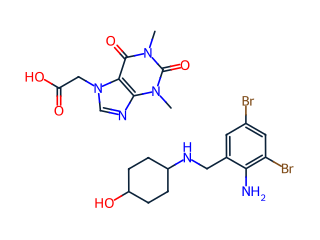
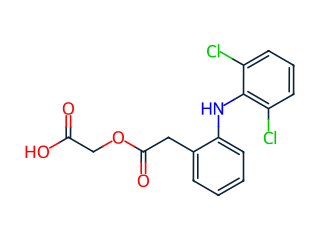
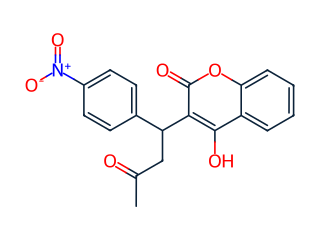
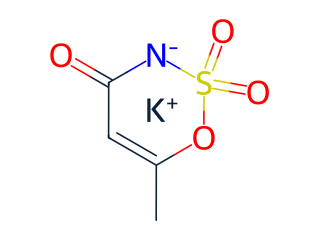
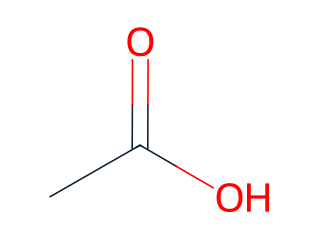
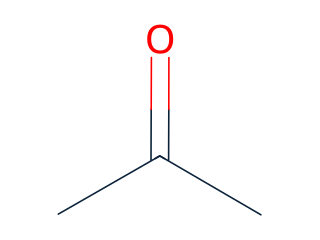
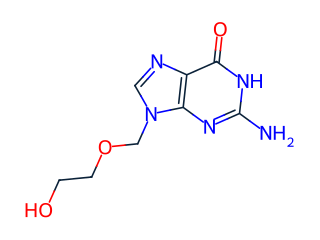
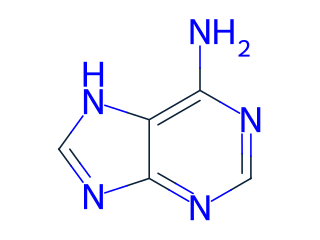
579 BP Grade (British Pharmacopoeia) products

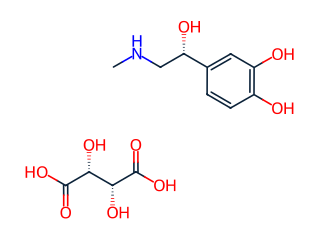
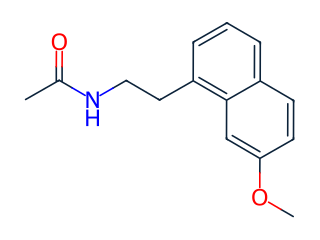
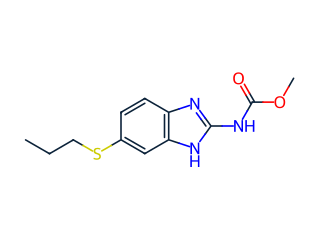
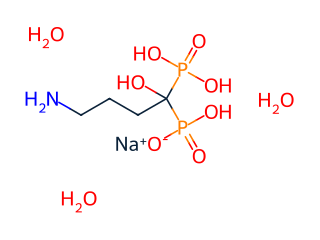


FAQs
Is BP the same as Ph. Eur.?
For substances with a European monograph, the BP reproduces the Ph. Eur. text, so requirements are the same. The BP also contains UK national monographs.
Who publishes the British Pharmacopoeia?
The British Pharmacopoeia Commission, on behalf of the UK's Medicines and Healthcare products Regulatory Agency.
Does a BP COA need to state the edition?
It should. Monographs change between editions, so the COA should identify which edition the material was tested against.
Other grades
HPLC GradeGC GradeAR Grade (Analytical Reagent)ACS GradeLR Grade (Laboratory Reagent)Extra Pure GradeMolecular Biology GradeSpectroscopy GradeLC-MS GradeIP Grade (Indian Pharmacopoeia)USP Grade (United States Pharmacopeia)Ph. Eur. Grade (European Pharmacopoeia)Food Grade (FCC)Technical GradeElectronic GradeDeuterated & Stable-Isotope-Labelled CompoundsPharmaceutical Secondary Reference Standards
Need a price, a spec or a custom compound?
Send us your list — product names or CAS numbers, grade, quantity and destination. Our team replies with a formal quotation, COA and lead time.