
Grade guide
Food Grade (FCC) chemicals
Food-grade chemicals meeting Food Chemicals Codex or equivalent food-additive specifications, for use in food, beverage and feed production.
What food grade means
Food grade describes substances manufactured and tested to specifications for use in food. The most widely referenced compendium is the Food Chemicals Codex (FCC), published by the United States Pharmacopeial Convention, which sets identity, assay and impurity requirements for food ingredients and additives. Other important references include the specifications of the Joint FAO/WHO Expert Committee on Food Additives (JECFA), EU purity criteria for food additives with E numbers, and national rules such as India's Food Safety and Standards Authority (FSSAI) regulations.
Food grade concerns both the specification and how the material is made and handled. Regulators expect food ingredients to be produced under appropriate hygiene and food safety controls, so documentation beyond the COA is often requested.
Typical specification profile
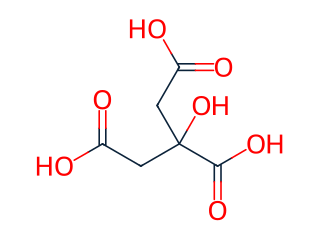
| Parameter | Example: citric acid, anhydrous, FCC |
|---|---|
| Assay | 99.5 to 100.5% |
| Lead | ≤ 0.5 mg/kg |
| Oxalate | Passes test |
| Residue on ignition | ≤ 0.05% |
| Water | ≤ 0.5% |
Values in the table are typical of the grade. The limits that apply to a given product are those stated on its specification and lot Certificate of Analysis.
Where it is used
- Acidulants, preservatives, antioxidants and mineral fortificants in food and beverages
- Processing aids, leavening agents and firming agents
- Animal feed additives, subject to feed regulations
- Laboratories testing food products that need matched-grade reference materials
How it differs from neighbouring grades
Pharmacopoeial grades (USP, Ph. Eur., IP) often have tighter or different impurity limits and are intended for medicines. Some materials are dual-certified FCC and USP. AR grade can be chemically purer but is not produced under food safety controls and must not be used in food. Technical grade is unsuitable for food. Regulatory approval of an additive for a given food and use level is separate from its grade and varies by country, so buyers must check local food law.
Documentation
For food-grade supplies we can request, where the manufacturer provides them, allergen, GMO, BSE/TSE, halal or kosher statements in addition to the lot COA.
When enquiring, tell us the intended food application and the destination market. That allows us to confirm which specification, whether FCC, JECFA or EU purity criteria, the offered lot is tested against, and which supporting statements are available.
89 Food Grade (FCC) products
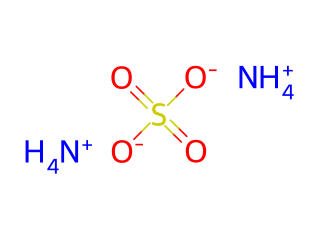
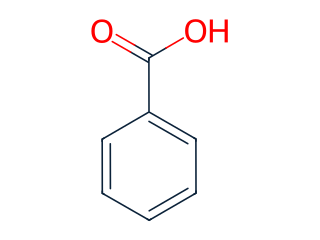
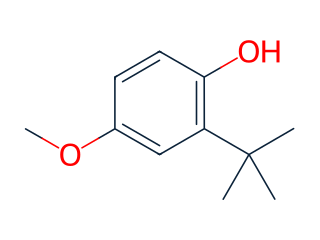
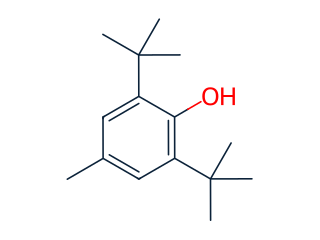
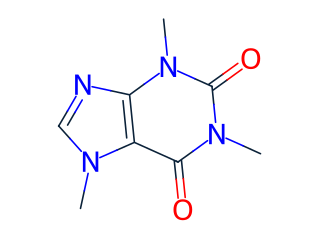
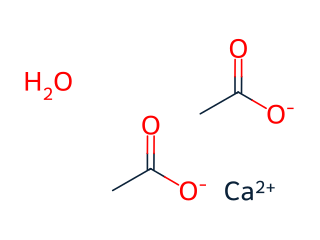
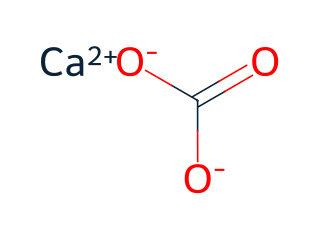
Calcium carbonate, IP/BP/EP/Ph. Eur., LR, food grade (FCC)
- CAS
- 471-34-1
- Formula
- CCaO3
- MW
- 100.09 g/mol
VQ-047110
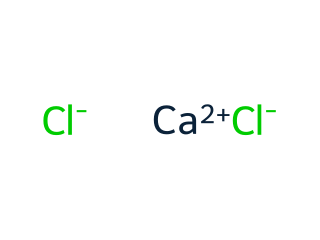
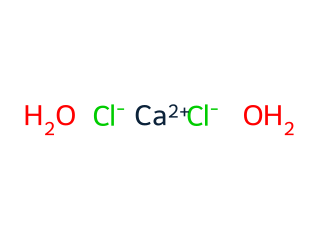
Calcium chloride, dihydrate, food grade (FCC) 99.0%
- CAS
- 10035-04-8
- Formula
- CaCl2H4O2
- MW
- 147.01 g/mol
VQ-046968
FAQs
Who publishes the Food Chemicals Codex?
The United States Pharmacopeial Convention (USP), which also publishes the USP–NF for medicines.
Can AR grade chemicals be used in food?
No. AR grade is not produced under food safety controls or tested to food-additive specifications, even if its chemical purity is high.
Does food grade mean an additive is approved in my country?
No. Additive approvals, permitted foods and limits are set by national regulators. Grade and approval are separate questions.
Other grades
HPLC GradeGC GradeAR Grade (Analytical Reagent)ACS GradeLR Grade (Laboratory Reagent)Extra Pure GradeMolecular Biology GradeSpectroscopy GradeLC-MS GradeIP Grade (Indian Pharmacopoeia)BP Grade (British Pharmacopoeia)USP Grade (United States Pharmacopeia)Ph. Eur. Grade (European Pharmacopoeia)Technical GradeElectronic GradeDeuterated & Stable-Isotope-Labelled CompoundsPharmaceutical Secondary Reference Standards
Need a price, a spec or a custom compound?
Send us your list — product names or CAS numbers, grade, quantity and destination. Our team replies with a formal quotation, COA and lead time.