
Grade guide
Ph. Eur. Grade (European Pharmacopoeia) chemicals
Material that complies with its European Pharmacopoeia monograph, the binding quality standard for medicines across the Ph. Eur. member states.
What Ph. Eur. grade means
Ph. Eur. grade indicates compliance with the relevant monograph of the European Pharmacopoeia, published by the European Directorate for the Quality of Medicines & HealthCare (EDQM), part of the Council of Europe. Its standards are legally binding in the member states of the European Pharmacopoeia Convention, which extends beyond the European Union. New editions are published every three years, with supplements in between, so a COA should state the edition or supplement applied.
In pharmaceutical contexts, EP is a common abbreviation for the European Pharmacopoeia. Some reagent catalogues also use EP for extra pure, which is unrelated. We use Ph. Eur. to avoid confusion.
What a Ph. Eur. monograph specifies
- Definition, content limits and characters
- Identification tests
- Tests for related substances with named specified impurities, residual solvents, elemental impurities, water or loss on drying, sulfated ash
- Assay and, for many substances, functionality-related characteristics for excipients
Typical specification profile
| Parameter | Example: paracetamol Ph. Eur. |
|---|---|
| Content | 99.0 to 101.0% (dried basis) |
| Related substances | Named impurities (e.g. 4-aminophenol) within specified limits |
| Loss on drying | ≤ 0.5% |
| Sulfated ash | ≤ 0.1% |
Values in the table are typical of the grade. The limits that apply to a given product are those stated on its specification and lot Certificate of Analysis.
Certificates of Suitability
The EDQM operates the Certification of Suitability procedure. A manufacturer holding a CEP for a substance has demonstrated that the relevant monograph adequately controls impurities from its specific route of synthesis. A CEP can be referenced in marketing authorisation applications in many countries. Whether a CEP exists depends on the manufacturer, and we confirm this at the quotation stage.
How it differs from neighbouring grades
BP reproduces Ph. Eur. monographs and is often dual-labelled. USP and IP monographs may differ in impurity lists and methods. Reagent grades such as AR have no pharmacopoeial status. Monograph compliance, the manufacturer's GMP status, and the buyer's supplier qualification together determine suitability for medicinal use.
Documentation
A lot COA for Ph. Eur. material lists each monograph test with its result and identifies the edition applied. Where the manufacturer holds a CEP or can provide statements on residual solvents, elemental impurities or nitrosamine risk, we can request them on your behalf and confirm availability before you order.
4,598 Ph. Eur. Grade (European Pharmacopoeia) products
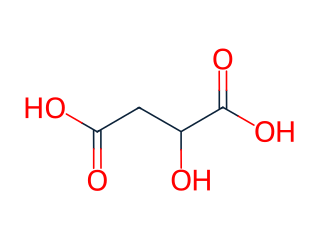
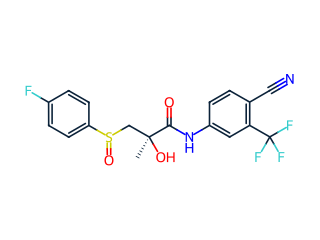
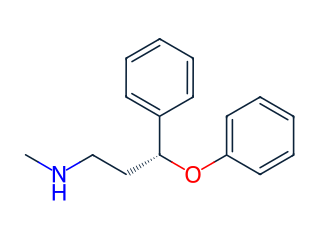
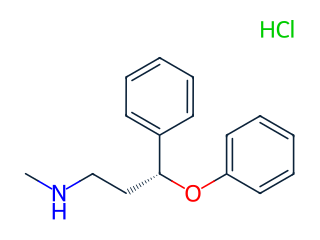
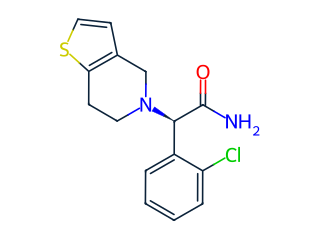
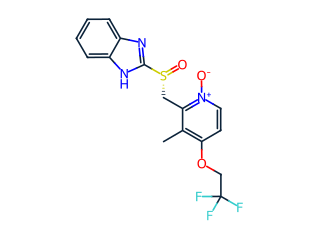
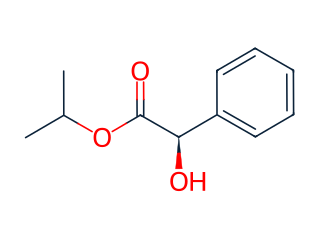
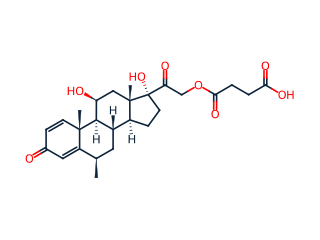
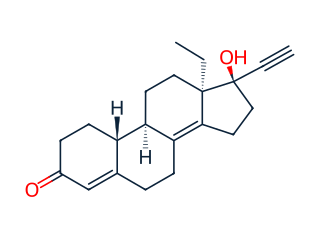
6b-Methylprednisolone Hemisuccinate EP Impurity F
- CAS
- 2376134-25-5
- Formula
- C26H34O8
- MW
- 474.5 g/mol
VQ-023109
FAQs
Who publishes the European Pharmacopoeia?
The European Directorate for the Quality of Medicines & HealthCare (EDQM), part of the Council of Europe.
What is a CEP?
A Certificate of Suitability issued by EDQM, confirming that a Ph. Eur. monograph adequately controls a specific manufacturer's substance, including its route-specific impurities.
Is EP grade the same as extra pure?
No. In pharmaceutical use, EP means European Pharmacopoeia. Some catalogues use EP for extra pure, so always check the COA's specification basis.
Other grades
HPLC GradeGC GradeAR Grade (Analytical Reagent)ACS GradeLR Grade (Laboratory Reagent)Extra Pure GradeMolecular Biology GradeSpectroscopy GradeLC-MS GradeIP Grade (Indian Pharmacopoeia)BP Grade (British Pharmacopoeia)USP Grade (United States Pharmacopeia)Food Grade (FCC)Technical GradeElectronic GradeDeuterated & Stable-Isotope-Labelled CompoundsPharmaceutical Secondary Reference Standards
Need a price, a spec or a custom compound?
Send us your list — product names or CAS numbers, grade, quantity and destination. Our team replies with a formal quotation, COA and lead time.