
Grade guide
LR Grade (Laboratory Reagent) chemicals
Laboratory Reagent grade: good-quality chemicals for general lab work, synthesis, teaching and qualitative tests where trace impurities do not matter.
What LR grade means
LR, or Laboratory Reagent, grade covers chemicals of reasonably high purity that are suitable for general laboratory use but do not carry the tight impurity limits of analytical grades. Typical assay values are in the region of 97 to 99%, and the specification may list only a few impurities, or give wider limits for them. Some manufacturers use equivalent names such as pure, synthesis grade or SQ (synthesis quality).
The grade is valuable because it is economical. Many laboratory tasks, from preparing cleaning solutions to running an organic synthesis that will be purified anyway, gain nothing from paying for AR purity.
Typical specifications
| Parameter | Typical LR requirement |
|---|---|
| Assay | ≥ 97 to 99% |
| Appearance | Conforms to description |
| Selected impurities | Wider limits, e.g. chloride ≤ 0.01 to 0.05% |
| Heavy metals | Often ≤ 10 to 20 ppm, where specified |
| Loss on drying / water | Stated where relevant |
Values in the table are typical of the grade. The limits that apply to a given product are those stated on its specification and lot Certificate of Analysis.
Where it is used
- Organic and inorganic synthesis where the product is subsequently purified
- Teaching laboratories and qualitative tests
- Preparation of cleaning, stripping and general-purpose solutions
- Pilot experiments before switching to a higher grade for final work
How it differs from neighbouring grades
AR and ACS grades specify higher assay and tight limits for individual impurities, making them suitable for quantitative analysis, while LR is not. Extra pure grades sit between the two in many catalogues: higher assay than LR, with more impurity tests, but not the full AR profile. Technical grade is below LR, often with no impurity limits and variable appearance, and is aimed at industrial rather than laboratory use. When a method involves weighing a reagent to prepare a standard or when blank values matter, LR grade is the wrong choice.
Practical advice
Label LR stocks clearly in shared laboratories so they are not used by mistake for analytical standards, and check the COA if a particular impurity, such as iron or water, could affect your reaction.
LR grade is usually the most economical laboratory grade we offer, and it is available in larger pack sizes, which makes it a practical choice for teaching institutions and synthesis groups with steady consumption.
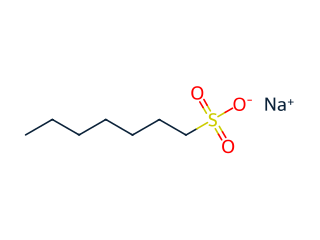
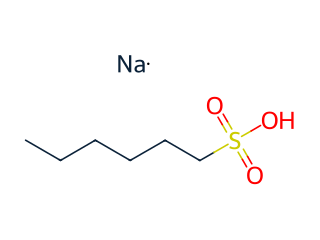
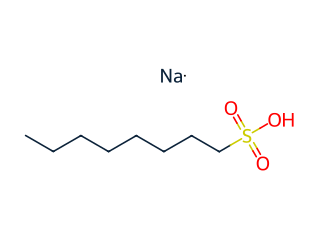
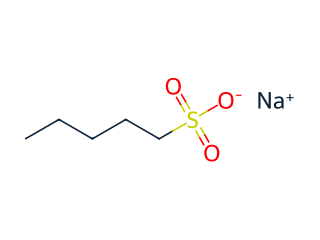
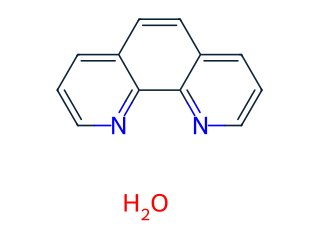
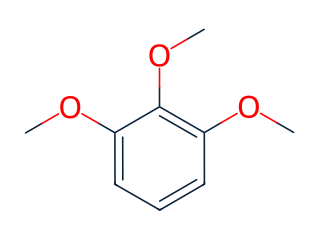
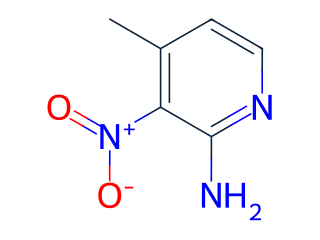
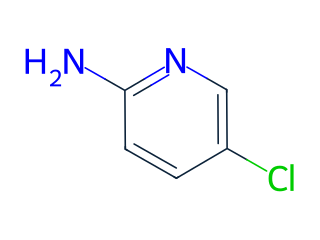
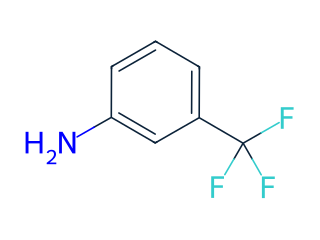
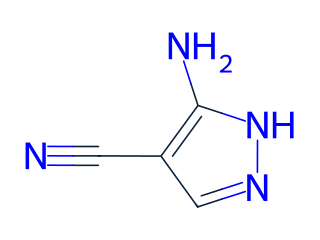
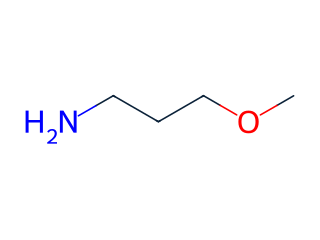
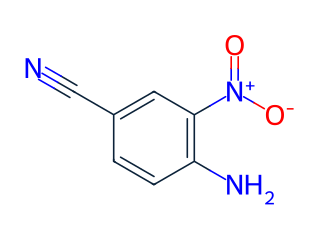
156 LR Grade (Laboratory Reagent) products
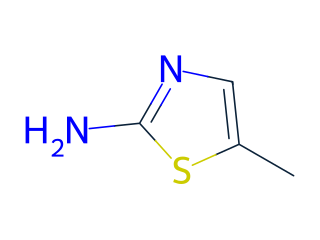
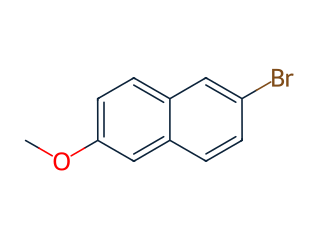
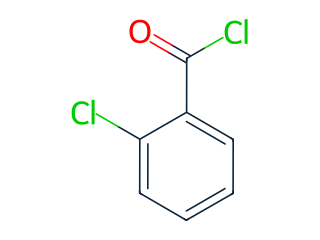
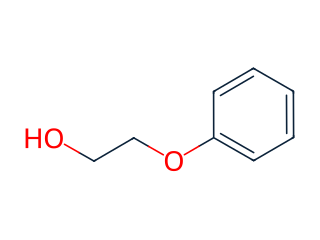
FAQs
Is LR grade suitable for titration standards?
No. Standards and volumetric solutions should be prepared from AR, ACS or primary-standard grade reagents with defined assay and impurity limits.
What does SQ or synthesis grade mean?
These are manufacturer names for grades broadly similar to LR: adequate purity for synthesis, without full analytical impurity limits.
Is LR grade the same as technical grade?
No. LR is purer and more consistently specified. Technical grade is intended for industrial processes and may have few or no impurity limits.
Other grades
HPLC GradeGC GradeAR Grade (Analytical Reagent)ACS GradeExtra Pure GradeMolecular Biology GradeSpectroscopy GradeLC-MS GradeIP Grade (Indian Pharmacopoeia)BP Grade (British Pharmacopoeia)USP Grade (United States Pharmacopeia)Ph. Eur. Grade (European Pharmacopoeia)Food Grade (FCC)Technical GradeElectronic GradeDeuterated & Stable-Isotope-Labelled CompoundsPharmaceutical Secondary Reference Standards
Need a price, a spec or a custom compound?
Send us your list — product names or CAS numbers, grade, quantity and destination. Our team replies with a formal quotation, COA and lead time.