
Grade guide
IP Grade (Indian Pharmacopoeia) chemicals
Material tested to the monograph of the Indian Pharmacopoeia, published by the Indian Pharmacopoeia Commission, for pharmaceutical use in India.
What IP grade means
IP grade indicates that a substance has been tested and complies with its monograph in the Indian Pharmacopoeia, the official book of standards for drugs in India. The Indian Pharmacopoeia is published by the Indian Pharmacopoeia Commission (IPC), an autonomous body under the Ministry of Health and Family Welfare, and its standards have legal status under the Drugs and Cosmetics Act, 1940 and its rules. New editions and addenda are issued periodically, and the COA should state the edition applied.
What an IP monograph covers
- Definition and content limits, often expressed on the dried or anhydrous basis
- Identification tests, such as IR, HPLC retention time or chemical tests
- Tests for related substances, residual solvents, heavy metals or elemental impurities, sulfated ash, loss on drying or water
- Assay by a stated method
- Storage and labelling requirements
Typical specification profile
| Parameter | Example: sodium chloride IP |
|---|---|
| Content | 99.0 to 100.5% (dried basis) |
| Acidity or alkalinity | Complies |
| Heavy metals / iron / sulfate / bromide | Within monograph limits |
| Loss on drying | ≤ 0.5% |
Values in the table are typical of the grade. The limits that apply to a given product are those stated on its specification and lot Certificate of Analysis.
Where it is used
IP grade materials are used in medicines manufactured for the Indian market, in analytical testing performed to IP methods, and in export documentation where Indian standards are referenced. Many excipients, such as lactose, starch, magnesium stearate and sodium chloride, and many APIs, are available in IP grade, frequently dual- or multi-certified to BP, USP or Ph. Eur.
How it differs from neighbouring grades
BP, USP and Ph. Eur. grades are tested to other pharmacopoeias. Limits and methods are often harmonised but can differ, so material for a given market should meet that market's pharmacopoeia. AR grade may be purer in some respects but is not tested to a monograph and has no regulatory standing for drug manufacture. Compliance with a monograph is necessary but not sufficient for use in a medicine: the manufacturer's GMP status and regulatory documentation also matter, and supplier qualification remains the buyer's responsibility.
Documentation
For IP-grade supplies we provide a lot COA referencing the IP monograph and edition, and can request additional manufacturer documents on your behalf.
480 IP Grade (Indian Pharmacopoeia) products


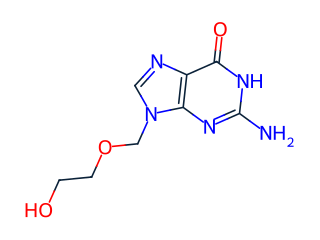
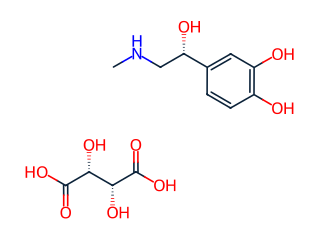
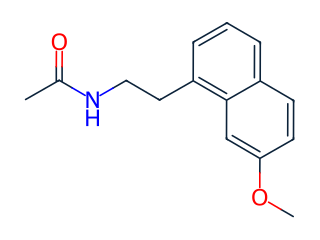
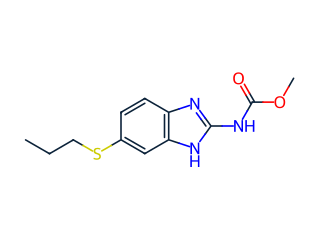
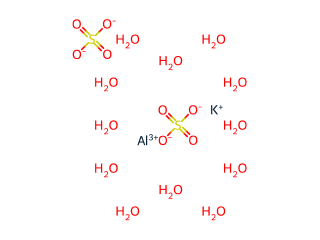
Aluminium potassium sulphate, IP/BP/USP/EP/Ph. Eur., AR 99.5%
- CAS
- 7784-24-9
- Formula
- AlH24KO20S2
- MW
- 474.4 g/mol
VQ-046016
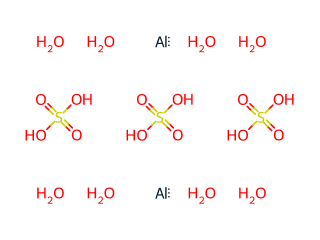
Aluminium sulphate, IP/BP/USP/EP/Ph. Eur., ACS, AR
- CAS
- 16828-11-8
- Formula
- Al2H22O20S3
- MW
- 492.3 g/mol
VQ-020586
FAQs
Who publishes the Indian Pharmacopoeia?
The Indian Pharmacopoeia Commission, an autonomous body under India's Ministry of Health and Family Welfare.
Is IP grade accepted outside India?
Other markets generally expect their own pharmacopoeia, such as USP or Ph. Eur. Many materials are tested to several pharmacopoeias at once.
Does IP grade mean the material can be used in any medicine?
Monograph compliance is required but not sufficient. Manufacturer GMP status, regulatory filings and your own supplier qualification also apply.
Other grades
HPLC GradeGC GradeAR Grade (Analytical Reagent)ACS GradeLR Grade (Laboratory Reagent)Extra Pure GradeMolecular Biology GradeSpectroscopy GradeLC-MS GradeBP Grade (British Pharmacopoeia)USP Grade (United States Pharmacopeia)Ph. Eur. Grade (European Pharmacopoeia)Food Grade (FCC)Technical GradeElectronic GradeDeuterated & Stable-Isotope-Labelled CompoundsPharmaceutical Secondary Reference Standards
Need a price, a spec or a custom compound?
Send us your list — product names or CAS numbers, grade, quantity and destination. Our team replies with a formal quotation, COA and lead time.