
Grade guide
Extra Pure Grade chemicals
Extra pure grade: higher assay and more impurity tests than LR, below full AR specification. A common choice for synthesis and routine lab work.
What extra pure means
Extra pure is a manufacturer-defined grade used widely in Indian and European catalogues to describe material that is purer and better characterised than laboratory reagent grade, but not tested to the full analytical reagent specification. Assay is typically 98.5 to 99.5% or higher, and the specification includes more impurity parameters than LR, often with limits close to AR for the most common contaminants.
A point of caution: some catalogues abbreviate extra pure as EP, which is also the common abbreviation for the European Pharmacopoeia. These are entirely different things. An extra pure chemical has not necessarily been tested to a Ph. Eur. monograph. We label pharmacopoeial material as Ph. Eur. to avoid ambiguity, and the COA always states the specification basis.
Typical specifications
| Parameter | Typical extra pure requirement |
|---|---|
| Assay | ≥ 98.5 to 99.5% |
| Insoluble matter | ≤ 0.01% |
| Chloride, sulfate | Low hundredths or thousandths of a percent |
| Heavy metals (as Pb) | ≤ 10 ppm |
| Iron | ≤ 5 to 10 ppm |
Values in the table are typical of the grade. The limits that apply to a given product are those stated on its specification and lot Certificate of Analysis.
Where it is used
- Synthesis where impurities could affect yield or colour but analytical purity is unnecessary
- Preparation of buffers and media for non-critical applications
- Routine laboratory procedures in industry and academia
- Pilot-scale work where cost per kilogram matters
How it differs from neighbouring grades
LR grade is cheaper and less tightly specified. AR and ACS grades add the full set of impurity tests and are appropriate for quantitative analysis. Pharmacopoeial grades (IP, BP, USP, Ph. Eur.) are tested against official monographs and are intended for regulated pharmaceutical use, which extra pure is not. If you need a pharmacopoeial material, specify the pharmacopoeia by name rather than relying on an abbreviation.
Selecting between grades
Extra pure is a sensible default for synthesis and general use when LR is borderline. For analysis or regulated use, move up to AR, ACS or a pharmacopoeial grade as appropriate.
When requesting a quotation, it helps to tell us which impurities could affect your work. We can then confirm whether the extra pure specification covers them or whether moving to AR would be the safer and ultimately cheaper option.
640 Extra Pure Grade products
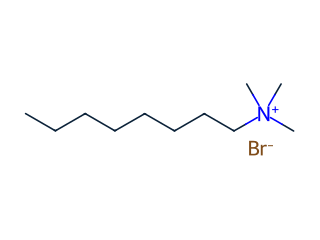
(1-Octyl)trimethylammonium bromide, extra pure >98%
- CAS
- 2083-68-3
- Formula
- C11H26BrN
- MW
- 252.23 g/mol
VQ-020124
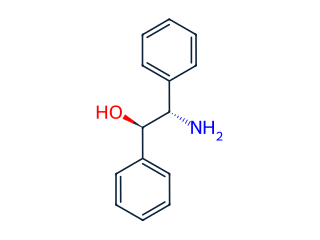
(1R,2S)-(-)-2-Amino-1,2-diphenylethanol, extra pure
- CAS
- 23190-16-1
- Formula
- C14H15NO
- MW
- 213.27 g/mol
VQ-020178
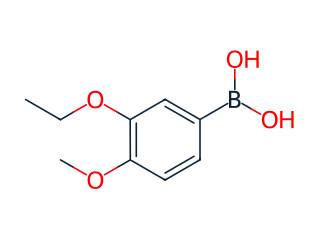
(3-Ethoxy-4-methoxyphenyl)boronic acid, extra pure
- CAS
- 915201-13-7
- Formula
- C9H13BO4
- MW
- 196.01 g/mol
VQ-020106
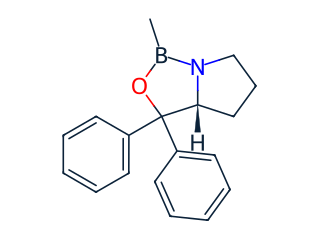
(R)-(+)-Methyl-cbs-oxazaborolidine, 1 M in toluene, extra pure
- CAS
- 112022-83-0
- Formula
- C18H20BNO
- MW
- 277.2 g/mol
VQ-045969
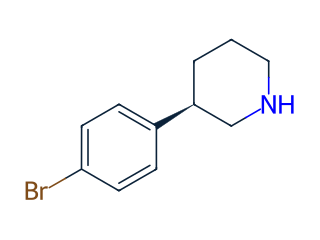
(R)-3-(4-Bromophenyl)piperidine, extra pure >99%
- CAS
- 1336754-69-8
- Formula
- C11H14BrN
- MW
- 240.14 g/mol
VQ-019926
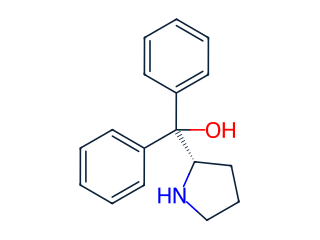
(S)-(-)-Diphenyl-2-pyrrolidinemethanol, extra pure
- CAS
- 112068-01-6
- Formula
- C17H19NO
- MW
- 253.34 g/mol
VQ-020160
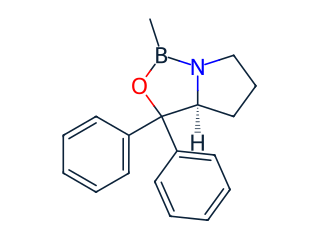
(S)-(-)-Methyl-cbs-oxazaborolidine, 1 M in toluene, extra pure
- CAS
- 112022-81-8
- Formula
- C18H20BNO
- MW
- 277.2 g/mol
VQ-045970
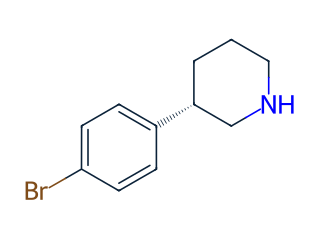
(S)-3-(4-Bromophenyl)piperidine, extra pure >98%
- CAS
- 1335523-82-4
- Formula
- C11H14BrN
- MW
- 240.14 g/mol
VQ-019927
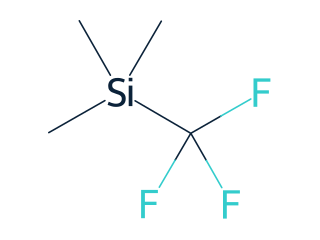
(Trifluoromethyl)trimethylsilane, extra pure >99%
- CAS
- 81290-20-2
- Formula
- C4H9F3Si
- MW
- 142.19 g/mol
VQ-020096
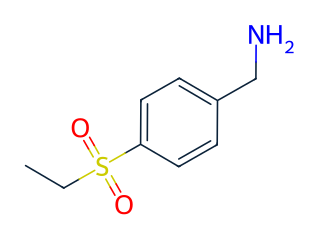
[4-(Ethanesulphonyl)phenyl]methanamine, extra pure >95%
- CAS
- 583837-94-9
- Formula
- C9H13NO2S
- MW
- 199.27 g/mol
VQ-020008
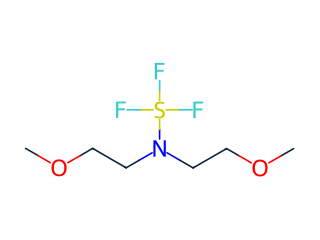
[Bis(2-methoxyethyl)amino]sulfur trifluoride, extra pure 50%
- CAS
- 202289-38-1
- Formula
- C6H14F3NO2S
- MW
- 221.24 g/mol
VQ-020194
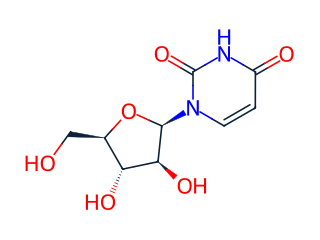
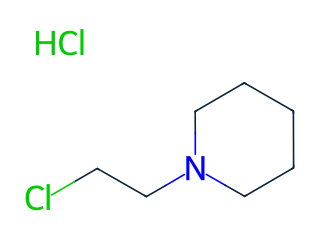
1-(2-Chloroethyl)piperidine hydrochloride, extra pure >98%
- CAS
- 2008-75-5
- Formula
- C7H15Cl2N
- MW
- 184.1 g/mol
VQ-020030
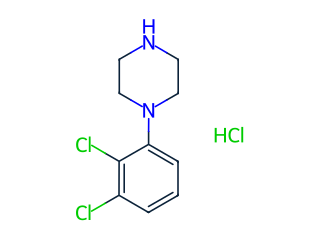
1-(2,3-Dichlorophenyl)piperazine HCl, extra pure >98%
- CAS
- 119532-26-2
- Formula
- C10H13Cl3N2
- MW
- 267.6 g/mol
VQ-019994
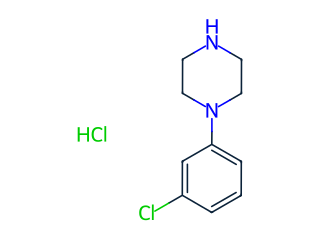
1-(3-Chlorophenyl)piperazine hydrochloride, extra pure >98%
- CAS
- 13078-15-4
- Formula
- C10H14Cl2N2
- MW
- 233.13 g/mol
VQ-020150
FAQs
Does EP mean extra pure or European Pharmacopoeia?
It depends on the catalogue. Some use EP for extra pure. In pharmaceutical contexts it means European Pharmacopoeia. Always check the specification basis on the COA.
Is extra pure suitable for analytical work?
For qualitative or non-critical work, often yes. For quantitative analysis, AR or ACS grade is recommended because of its fuller impurity specification.
Is extra pure cheaper than AR?
Usually, yes. It sits between LR and AR in both purity and price.
Other grades
HPLC GradeGC GradeAR Grade (Analytical Reagent)ACS GradeLR Grade (Laboratory Reagent)Molecular Biology GradeSpectroscopy GradeLC-MS GradeIP Grade (Indian Pharmacopoeia)BP Grade (British Pharmacopoeia)USP Grade (United States Pharmacopeia)Ph. Eur. Grade (European Pharmacopoeia)Food Grade (FCC)Technical GradeElectronic GradeDeuterated & Stable-Isotope-Labelled CompoundsPharmaceutical Secondary Reference Standards
Need a price, a spec or a custom compound?
Send us your list — product names or CAS numbers, grade, quantity and destination. Our team replies with a formal quotation, COA and lead time.