
Grade guide
Molecular Biology Grade chemicals
Reagents tested for absence of DNase, RNase and protease activity and low contaminants, for PCR, cloning, sequencing and nucleic-acid work.
What molecular biology grade means
Molecular biology grade describes buffers, salts, detergents, sugars and other biochemicals that are tested for properties critical in nucleic-acid and protein work. Chemical purity alone is not enough: a trace of ribonuclease can destroy an RNA sample, and trace metals or unknown contaminants can inhibit PCR polymerases. The grade therefore combines a conventional purity specification with functional and enzymatic tests.
Typical specifications
| Parameter | Typical requirement |
|---|---|
| Assay | ≥ 99% (often ≥ 99.5%) |
| DNase activity | None detected |
| RNase activity | None detected |
| Protease activity | None detected |
| Heavy metals / specific metals | Low ppm limits |
| Solubility and clarity | Clear, colourless solution at stated concentration |
| UV absorbance (where relevant) | Low A260/A280 for solutions |
Values in the table are typical of the grade. The limits that apply to a given product are those stated on its specification and lot Certificate of Analysis.
Where it is used
- PCR and qPCR buffer preparation, including Tris, EDTA, magnesium chloride and potassium chloride
- DNA and RNA extraction and purification, using guanidine salts, phenol and detergents such as SDS
- Electrophoresis buffers like TAE, TBE and MOPS
- Cloning, sequencing library preparation and protein expression work
How it differs from neighbouring grades
AR grade biochemicals can have excellent chemical purity yet have never been tested for nuclease activity, so they carry a risk for sensitive RNA work. Cell culture grades focus instead on endotoxin, sterility and cytotoxicity, which matter for living cells. Pharmacopoeial grades address regulatory quality for medicines rather than enzymatic contamination. Molecular biology grade does not by itself mean sterile or endotoxin-tested unless the COA states so.
Handling to preserve the grade
Nuclease-free status is easily lost after opening. Use nuclease-free water and consumables, wear gloves, avoid returning unused material to the container, and prepare solutions in dedicated glassware or certified plastics. For RNA work, many laboratories aliquot reagents on receipt.
What we supply
Typical molecular biology grade items include Tris base and Tris hydrochloride, EDTA, HEPES, MOPS, glycine, sodium dodecyl sulfate, guanidine salts, dithiothreitol, sucrose, agarose and nuclease-free water. Each lot COA states which enzymatic activity tests were performed and their results, so you can check suitability before opening a container in a clean workspace.
199 Molecular Biology Grade products
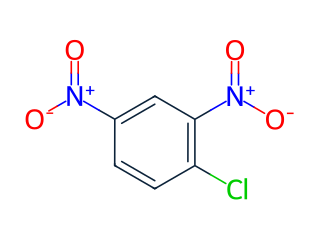
1-Chloro-2,4-dinitrobenzene, for molecular biology
- CAS
- 97-00-7
- Formula
- C6H3ClN2O4
- MW
- 202.55 g/mol
VQ-046269
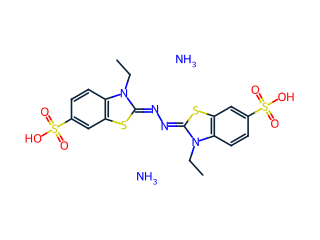
2,2′-Azino-bis(3-ethylbenzothiazoline-6-sulphonic acid) diammonium salt, for molecular biology
- CAS
- 30931-67-0
- Formula
- C18H24N6O6S4
- MW
- 548.7 g/mol
VQ-046466
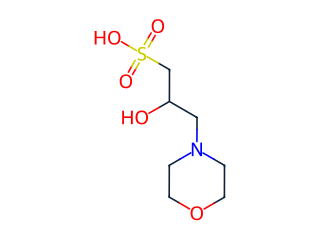
3-Morpholino-2-hydroxypropanesulphonic acid, for molecular biology
- CAS
- 68399-77-9
- Formula
- C7H15NO5S
- MW
- 225.27 g/mol
VQ-046556
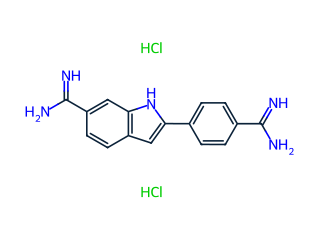
4',6-Diamidino-2-phenylindole dihydrochloride, for molecular biology
- CAS
- 28718-90-3
- Formula
- C16H17Cl2N5
- MW
- 350.2 g/mol
VQ-046620
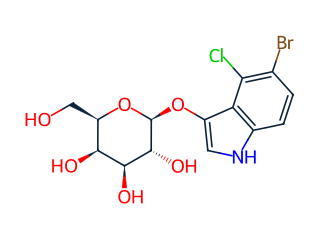
5-Bromo-4-chloro-3-indolyl β-D-galactopyranoside, 98%
- CAS
- 7240-90-6
- Formula
- C14H15BrClNO6
- MW
- 408.63 g/mol
VQ-002604
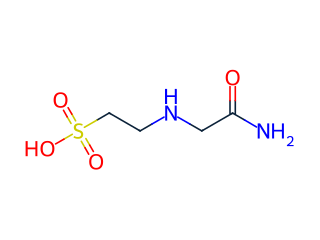
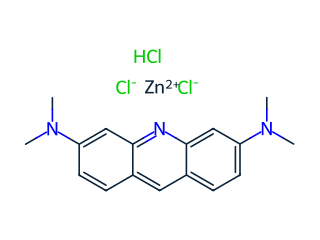
Acridine orange hemi(zinc chloride) salt, dye content, for molecular biology
- CAS
- 10127-02-3
- Formula
- C17H20Cl3N3Zn
- MW
- 438.1 g/mol
VQ-045666
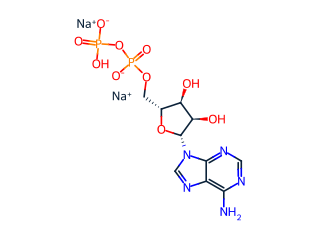
Adenosine 5′-diphosphate disodium salt, for molecular biology 95%
- CAS
- 16178-48-6
- Formula
- C10H13N5Na2O10P2
- MW
- 471.17 g/mol
VQ-046194


FAQs
Is molecular biology grade sterile?
Not necessarily. It is tested for nuclease and protease activity. Sterility and endotoxin levels are separate specifications and are stated only where tested.
Can I use AR grade Tris for PCR?
It may work, but it has not been tested for nuclease activity or PCR inhibitors. Molecular biology grade reduces that risk, particularly for RNA work.
How is RNase activity tested?
Typically by incubating a solution of the reagent with an RNA substrate and checking for degradation by electrophoresis or fluorescence.
Other grades
HPLC GradeGC GradeAR Grade (Analytical Reagent)ACS GradeLR Grade (Laboratory Reagent)Extra Pure GradeSpectroscopy GradeLC-MS GradeIP Grade (Indian Pharmacopoeia)BP Grade (British Pharmacopoeia)USP Grade (United States Pharmacopeia)Ph. Eur. Grade (European Pharmacopoeia)Food Grade (FCC)Technical GradeElectronic GradeDeuterated & Stable-Isotope-Labelled CompoundsPharmaceutical Secondary Reference Standards
Need a price, a spec or a custom compound?
Send us your list — product names or CAS numbers, grade, quantity and destination. Our team replies with a formal quotation, COA and lead time.